

Restaurant Digitalization Is No Longer Optional
Customer self-ordering is no longer a new concept in the restaurant industry. Kiosks, table-side tablets, QR ordering, and online ordering are all part of the same trend. By allowing customers to participate directly in the ordering process, restaurants can improve operational efficiency while reducing labor costs.
QR ordering provides many of the same benefits as table-side tablet ordering. Customers simply scan a QR code with their smartphones to browse the menu and place orders. However, installing tablets at every table involves hardware costs as well as ongoing maintenance, charging, updates, and potential repairs.
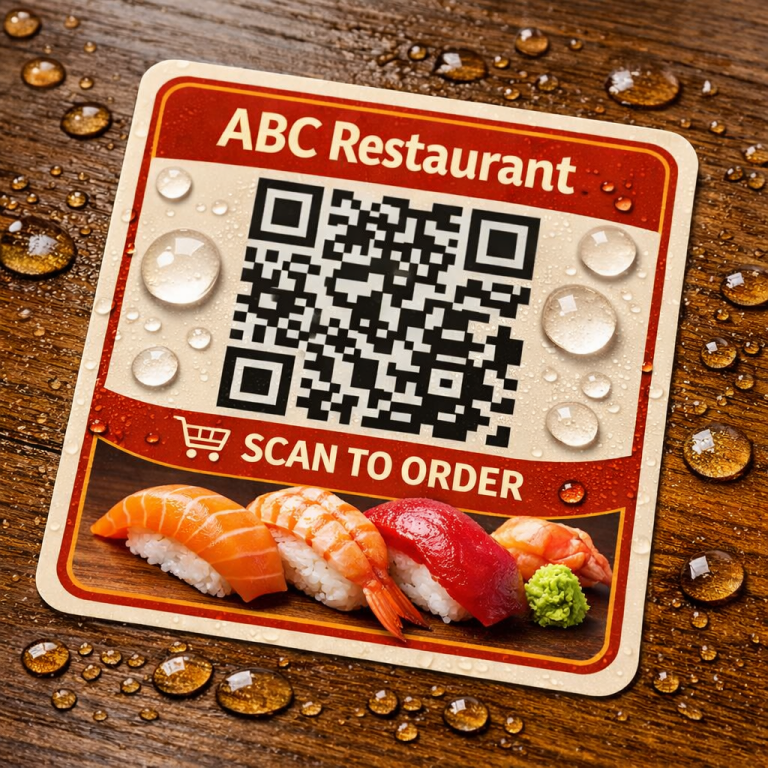
In contrast, QR ordering can be implemented simply by placing waterproof QR code stickers on each table. The initial investment is minimal, and there is virtually no maintenance required. For this reason, many restaurants choose to start with QR ordering first. If customer demand grows significantly, they can later expand to a full table-side tablet ordering system.
This shift is not unique to restaurants. Years ago, full-service gas stations were the norm, and customers expected attendants to pump their fuel. Today, most drivers pump their own gas without a second thought. Consumers participating in part of the service process has become a natural trend across many industries.
Restaurants are following the same path. Kiosks, QR ordering, table-side tablet ordering, and online ordering all represent a new generation of digital services where customers actively participate in the ordering process.
These systems do much more than reduce labor costs. Orders are automatically sent to kitchen printers, and menu changes made in the POS system can instantly update online ordering and QR ordering menus. Restaurant owners only need to manage their menu once, significantly reducing administrative work and minimizing errors.
QR ordering can also reduce or even eliminate the need for printed menus. Restaurants can save on menu printing costs, redesign expenses, and the time required to update menu items. Price changes and menu updates can be applied immediately across all channels.
Ultimately, digitalization is about improving restaurant productivity. Lower operating costs and faster table turnover help increase profitability. These benefits can translate into better service and more competitive pricing, creating value for both restaurants and customers.
MenuOne POS was designed to make this digital transformation simple. It connects POS, Online Ordering, QR Ordering, Table-Side Ordering, and Kiosks through a single menu management system. When a menu item is updated, the change is automatically reflected across all ordering channels, reducing management time and improving operational efficiency.
Restaurant digitalization is no longer just an option—it is the direction the industry is moving. Restaurants that embrace this transformation will be better positioned to compete, while those that resist change may find it increasingly difficult to keep up in a rapidly evolving market.
The question is no longer whether digitalization is coming. The question is whether your restaurant is ready for it.
레스토랑의 디지털화는 이제 선택이 아닌 필수입니다
레스토랑에서 고객이 직접 주문하는 방식은 이제 더 이상 낯선 일이 아닙니다. 키오스크, 테이블 주문 태블릿, QR 주문, 온라인 주문은 모두 같은 흐름 속에 있습니다. 고객이 직접 주문하고 결제하는 과정에 참여함으로써 레스토랑은 운영 효율을 높이고 인건비를 절감할 수 있습니다.
QR 주문은 테이블에 태블릿을 설치하는 방식과 비슷한 효과를 제공합니다. 고객은 자신의 스마트폰으로 QR 코드를 스캔하여 메뉴를 확인하고 주문할 수 있습니다. 하지만 테이블마다 태블릿을 설치하는 경우에는 장비 구입 비용뿐 아니라 충전, 유지관리, 고장 대응 등의 부담이 발생합니다.
반면 QR 주문은 방수 QR 코드 스티커를 테이블에 부착하는 것만으로 시작할 수 있습니다. 초기 비용이 적고 관리가 간편하기 때문에 많은 레스토랑들이 QR 주문을 먼저 도입하고 있습니다. 이후 주문량이 크게 증가하거나 더욱 편리한 서비스를 제공하고 싶을 경우 테이블 태블릿 시스템을 추가로 검토할 수 있습니다.
사실 이러한 변화는 레스토랑만의 이야기가 아닙니다. 과거에는 주유소 직원이 직접 주유해 주는 것이 당연했지만, 지금은 대부분의 운전자가 직접 주유를 합니다. 소비자가 생산 과정에 일부 참여하는 것은 이미 여러 산업에서 자연스러운 흐름이 되었습니다.
레스토랑 역시 같은 방향으로 변화하고 있습니다. 키오스크, QR 주문, 테이블 태블릿 주문, 온라인 주문은 모두 고객이 주문 과정에 직접 참여하는 디지털 서비스입니다.
이러한 시스템은 단순히 인건비를 절감하는 것에 그치지 않습니다. 주문이 자동으로 주방 프린터로 전달되고, POS에서 메뉴를 수정하면 온라인 주문과 QR 주문에도 즉시 반영됩니다. 바쁜 레스토랑 오너는 메뉴를 한 번만 관리하면 되므로 운영 부담을 크게 줄일 수 있습니다.
또한 QR 주문 시스템을 활용하면 종이 메뉴의 필요성도 줄어듭니다. 메뉴 인쇄 비용, 메뉴 교체 비용, 디자인 수정 시간까지 절약할 수 있으며, 가격이나 메뉴 변경도 즉시 적용할 수 있습니다.
결국 디지털화는 레스토랑의 생산성을 높이는 과정입니다. 운영 비용이 줄어들고 테이블 회전율이 높아지면 레스토랑의 수익성이 향상됩니다. 이는 더 나은 서비스와 합리적인 가격으로 이어져 고객과 레스토랑 모두에게 이익이 됩니다.
MenuOne POS는 이러한 디지털 전환을 보다 쉽게 실현할 수 있도록 설계되었습니다. POS, 온라인 주문, QR 주문, 테이블 주문, 키오스크를 하나의 메뉴 관리 시스템으로 연결하여 운영의 복잡성을 줄이고 효율성을 높여줍니다. 메뉴를 한 번만 수정하면 모든 주문 채널에 동시에 적용되므로 관리 시간이 줄어들고 실수도 최소화할 수 있습니다.
레스토랑의 디지털화는 이제 시대의 흐름입니다. 이 거대한 변화에 발맞춰 나가는 레스토랑은 더욱 경쟁력을 갖게 될 것이며, 변화에 뒤처진 레스토랑은 점점 더 어려운 환경에 직면하게 될 것입니다.
지금은 단순히 새로운 기술을 도입하는 것이 아니라, 미래의 레스토랑 운영 방식을 준비해야 할 때입니다.
 The Most Important Part of Online Ordering: Never Miss an Ord...
 Trust Matters More Than Distance (거리보다 중요한 것은 신뢰입...
